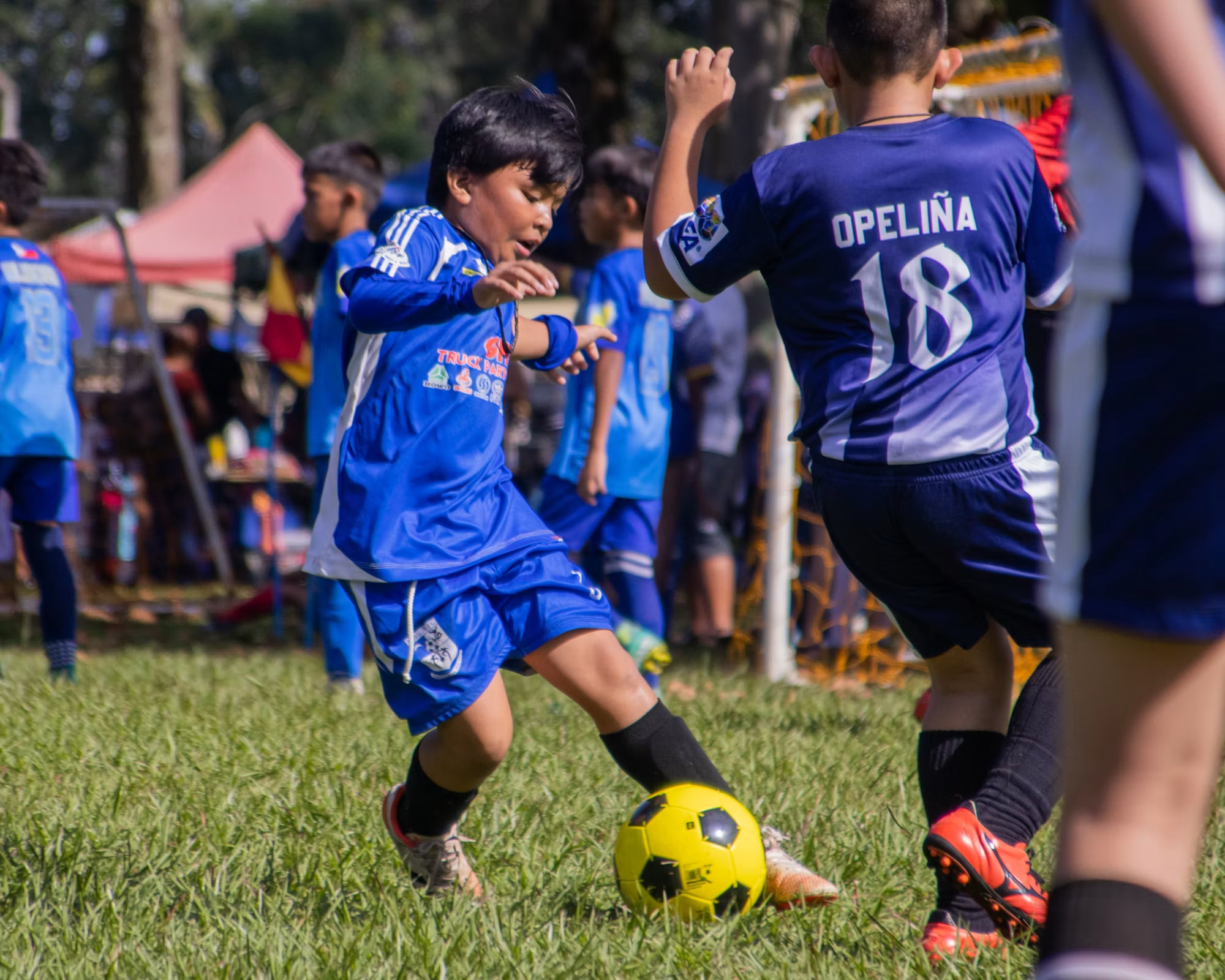
Team sports have a unique ability to connect individuals from diverse backgrounds, fostering a sense of community and belonging. They are not merely about competition; they encompass a rich tapestry of collaboration, shared experiences, and personal growth. In this article, we will explore the various dimensions of team sports, highlighting their significance in shaping lives and building stronger communities.
At the core of every team sport is the principle of teamwork. Unlike individual sports, which focus on personal accomplishments, team sports thrive on the collective effort of all participants. Players learn to communicate effectively, share responsibilities, and support one another in achieving common goals. This collaboration is crucial, as it cultivates not only sportsmanship but also lifelong friendships.
The diversity of team sports offers something for everyone, allowing individuals to find their passion and develop their skills in various environments. Among the most popular team sports are:
1. Soccer: Globally beloved, soccer emphasizes teamwork and strategy. With players required to coordinate their movements to pass, defend, and score, the game fosters a deep understanding of collaboration. Major events like the FIFA World Cup exemplify the unifying nature of soccer, drawing fans from all corners of the globe.
2. Basketball: Known for its fast pace and exciting plays, basketball encourages quick thinking and adaptability. Teams must work together seamlessly to navigate offensive and defensive strategies, making communication vital. The NBA has popularized the sport, showcasing incredible talent while promoting the value of teamwork.
3. Rugby: This physically demanding sport is rich in tradition and camaraderie. Rugby players rely on each other to execute complex plays, and the sport’s emphasis on respect and sportsmanship creates a positive environment for all participants. Countries like New Zealand and South Africa celebrate rugby as an integral part of their culture, demonstrating its far-reaching impact.
4. Hockey: Whether on ice or a field, hockey is characterized by its speed and strategy. Players must develop strong connections with teammates, as success relies on effective communication and coordinated efforts. The National Hockey League (NHL) and various international leagues celebrate the sport, fostering passionate fan bases and community pride.
5. Volleyball: A sport that thrives on teamwork, volleyball requires players to collaborate closely on the court. Effective communication and coordination are key, making the game an excellent way to build relationships. The sport is popular in schools and recreational leagues, promoting a sense of community among participants.
6. Baseball: Often regarded as America’s pastime, baseball blends individual skills with team dynamics. Each player’s role is crucial, and teams must communicate effectively to strategize during games. The cultural significance of baseball extends beyond the diamond, creating traditions that bring communities together.
Historically, team sports have evolved from ancient practices where games were played for fun and social interaction. The Olympic Games of ancient Greece exemplified this, promoting competition among city-states while fostering a sense of unity. As societies developed, the structure and organization of sports became more formalized, leading to the professional leagues we see today. This professionalization has allowed team sports to flourish, creating opportunities for athletes to compete at the highest levels while inspiring future generations.
The skills gained from participating in team sports extend far beyond the playing field. Essential skills such as communication, leadership, and problem-solving are cultivated as players learn to express their thoughts, listen actively, and make collaborative decisions. These skills are invaluable in various life situations, enhancing personal and professional relationships.
Moreover, team sports instill core values such as discipline, respect, and perseverance. Athletes face challenges that test their resolve, teaching them the importance of commitment and hard work. The experience of overcoming obstacles together reinforces the bonds between teammates, fostering a supportive environment where individuals can thrive.
The benefits of team sports on mental and physical well-being are profound. Engaging in regular physical activity is crucial for maintaining a healthy lifestyle, and team sports provide an enjoyable way to stay active. Furthermore, the camaraderie and friendships formed within a team contribute to a sense of belonging, reducing feelings of isolation and promoting emotional well-being. These connections often last a lifetime, providing a network of support that enriches individuals’ lives.
Community engagement is another critical component of team sports. Local leagues and recreational programs create opportunities for individuals of all ages to participate, promoting inclusivity and accessibility. These initiatives encourage people to come together, share experiences, and support one another. Sporting events often serve as community gatherings, where families and friends unite to cheer for their teams, fostering social connections and community pride.
The cultural significance of team sports is immense. They reflect societal values and often act as a platform for social change. Many athletes and teams engage in initiatives that promote diversity, equity, and inclusion, inspiring future generations to embrace the spirit of teamwork and respect. Iconic athletes leverage their platforms to advocate for important social issues, demonstrating how sports can drive positive change within communities.
Coaches play a vital role in shaping the culture of a team. Their leadership styles may vary, but effective coaches create environments that encourage growth and camaraderie. They motivate players, develop strategies, and foster teamwork, ensuring that every team member feels valued and empowered. The bonds formed between coaches and athletes can significantly impact personal development, influencing players both on and off the field.
The significance of sportsmanship in team sports cannot be overstated. Upholding the principles of fair play, respect for opponents, and adherence to rules is essential for maintaining the integrity of the game. Promoting sportsmanship creates a positive atmosphere, enriching the experience for all participants. Coaches and organizations often implement programs that teach the importance of respect, ensuring that young athletes understand the value of good sportsmanship.
Looking toward the future, the role of team sports in youth development remains crucial. Grassroots initiatives and school programs provide vital opportunities for nurturing talent and encouraging participation. By offering accessible avenues for engagement, communities can inspire young people to lead active, healthy lifestyles and cultivate a lifelong love for sports.
In conclusion, team sports are a powerful means of fostering connections, enhancing personal growth, and strengthening communities. They teach invaluable skills, promote physical and mental well-being, and create lasting friendships. Through the excitement of games, the bonds formed among teammates, and the life lessons learned through competition, team sports enrich our lives in countless ways. They remind us of the importance of working together towards common goals, celebrating not just victories but the shared journey that defines the spirit of sport.