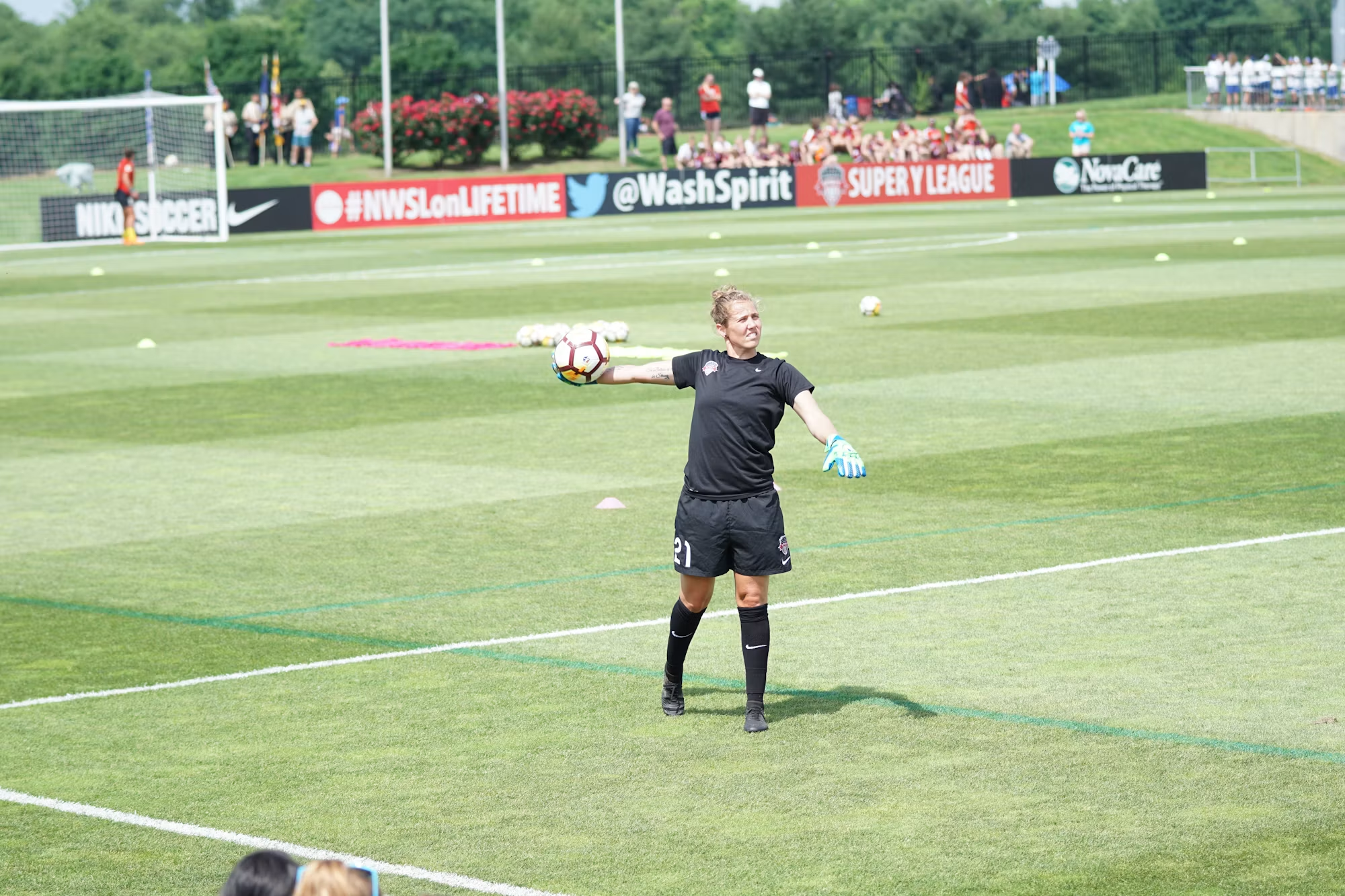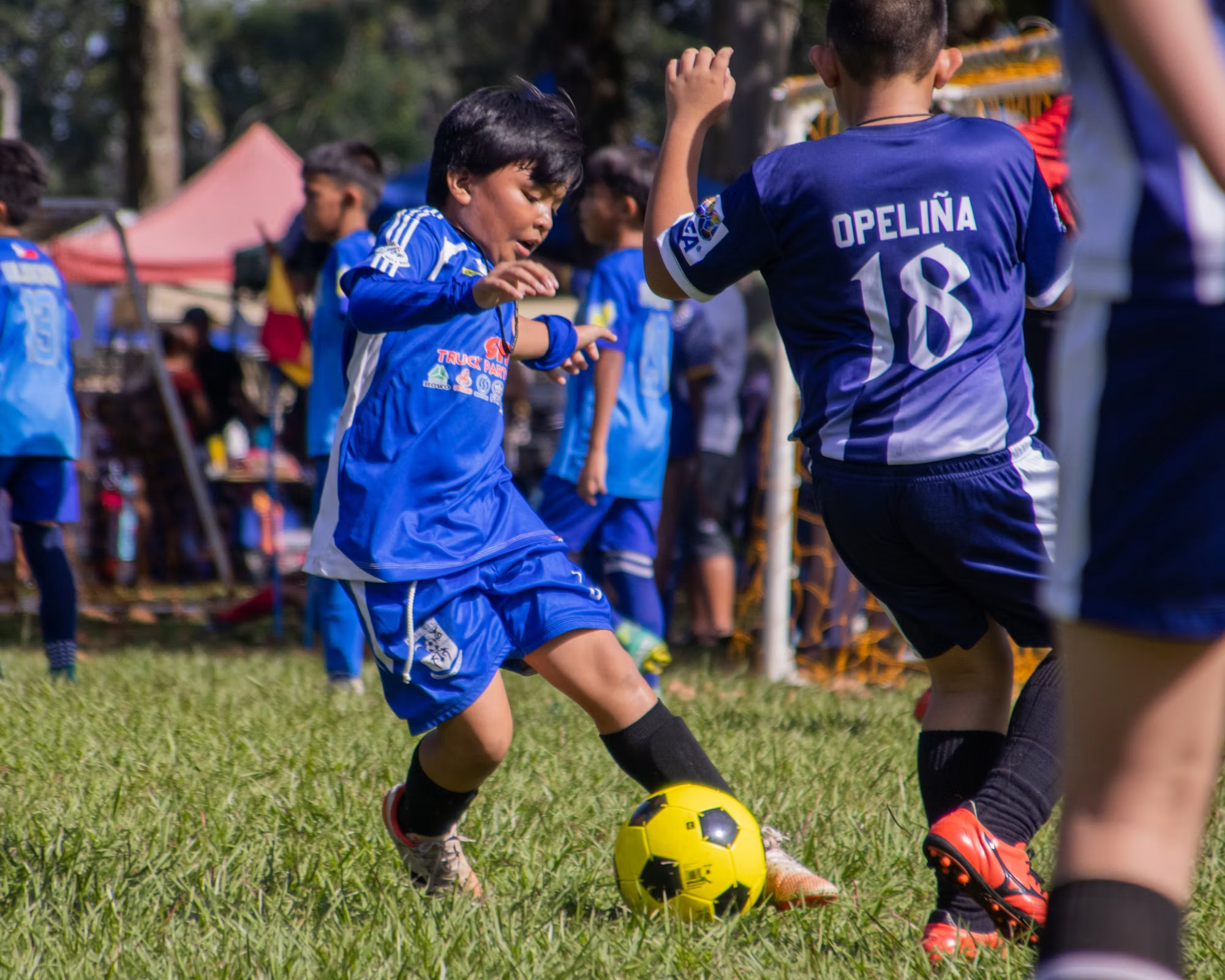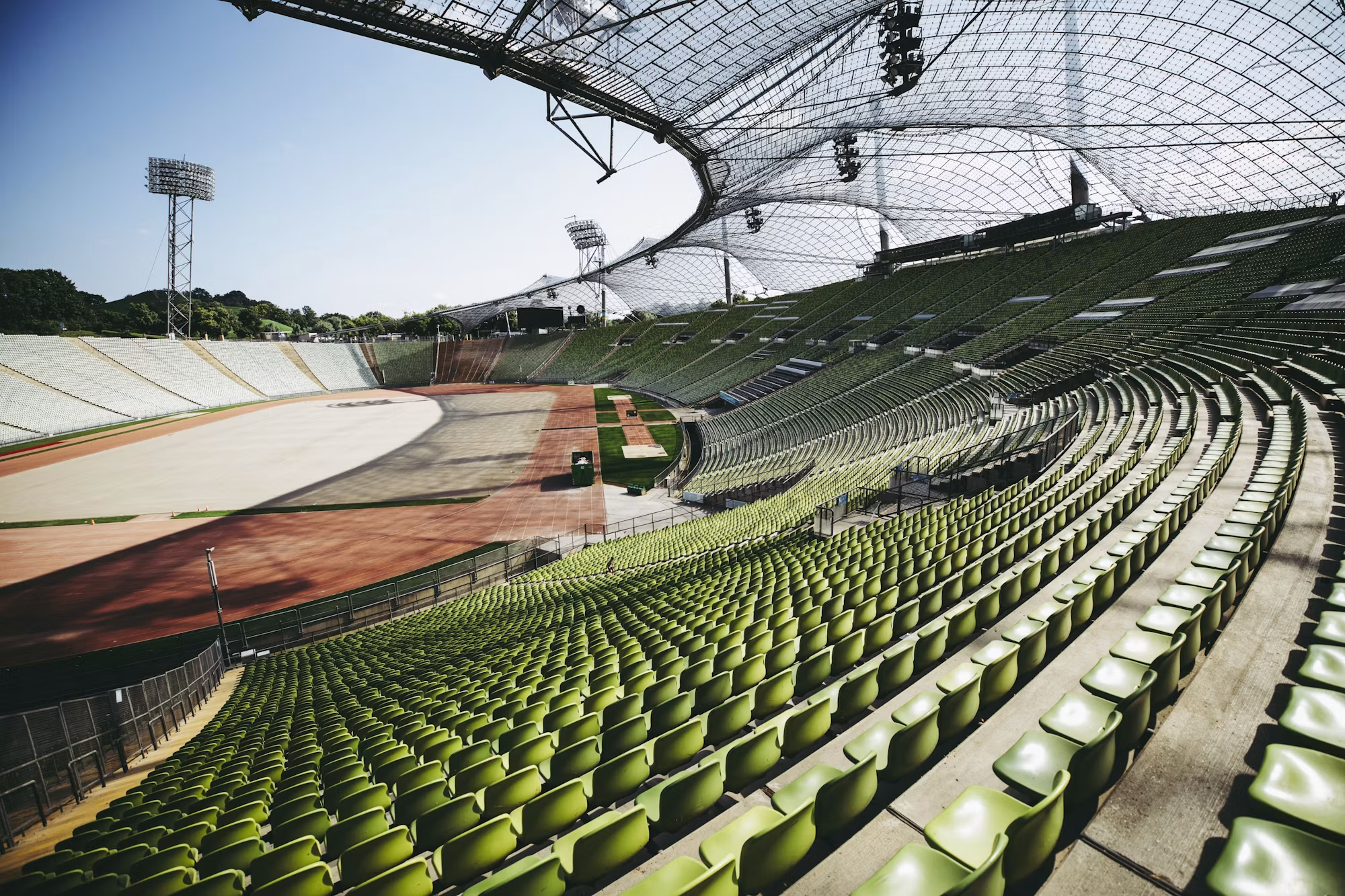
Soccer, or football as it is known in many parts of the world, transcends mere athletic competition. It is a cultural phenomenon that weaves its way into the fabric of societies, shaping identities and fostering community spirit. This article explores the cultural impact of soccer, examining how it connects fans, influences traditions, and evokes deep emotional responses across the globe.
The Global Reach of Soccer
Soccer is played and followed in almost every country, making it the world’s most popular sport. From bustling cities to remote villages, the game serves as a universal language that bridges gaps between different cultures. Major tournaments like the FIFA World Cup and UEFA Champions League capture the attention of millions, creating a sense of unity among fans. These events not only showcase athletic talent but also bring diverse groups together, celebrating the shared passion for the sport.
Fan Engagement: A Community Affair
At the heart of soccer’s cultural significance are its fans. Supporters are not merely spectators; they are an integral part of the game. The fervor with which fans follow their teams is palpable, and this dedication manifests in various ways. From wearing team colors to chanting songs in the stands, the passion of fans creates an electric atmosphere during matches.
Many clubs foster a sense of belonging among their supporters. For instance, in cities like Barcelona and Liverpool, soccer teams serve as a source of local pride. Fans often engage in community events, participating in initiatives that strengthen ties between the club and its supporters. This deep-rooted connection transforms soccer into a collective experience, where victories and defeats are shared as a community.
Traditions and Rituals
Soccer is rich with traditions and rituals that enhance the emotional experience of the game. Many clubs have unique customs that have been passed down through generations. For example, the pre-match rituals of teams can involve everything from specific warm-up routines to traditional songs sung by fans. In South America, for instance, the passionate atmosphere during a match often includes colorful displays, dances, and local food vendors, making soccer a vibrant celebration of culture.
Rivalries also play a significant role in the cultural tapestry of soccer. Matches between long-standing rivals, such as the El Clásico between Barcelona and Real Madrid, evoke intense emotions and are often marked by unique traditions. These rivalries can ignite fierce competition, but they also bring communities together, as fans unite to support their teams in a shared experience.
Emotional Connections and Identity
Soccer often shapes personal and collective identities. For many fans, their allegiance to a team is a lifelong commitment that defines a significant part of who they are. This emotional connection is particularly strong in regions where soccer is intertwined with local culture and history. In countries like Brazil and Argentina, soccer legends are celebrated as national heroes, embodying the hopes and dreams of their communities.
The impact of soccer on identity is especially evident during international competitions. National teams become symbols of pride, representing not only the country but also its values and aspirations. Fans rally behind their teams, wearing national colors and chanting anthems, creating an atmosphere of unity and national pride.
Soccer as a Vehicle for Social Change
In addition to its cultural significance, soccer has the potential to drive social change. Numerous initiatives leverage the popularity of the sport to address important issues, such as inclusivity, education, and health. Organizations like Street Soccer USA and Football for Hope use the game as a platform to promote social integration and provide opportunities for marginalized communities.
Programs that engage youth through soccer can teach valuable life skills, such as teamwork, discipline, and leadership. These initiatives not only inspire young players to pursue their dreams on the field but also encourage them to become active members of their communities, fostering a sense of responsibility and citizenship.
The Role of Technology and Media
The advent of technology has further amplified soccer’s cultural impact. The rise of social media has enabled fans to connect with their teams and fellow supporters like never before. Platforms like Twitter, Instagram, and TikTok allow fans to share their experiences, engage in discussions, and celebrate their teams in real-time, creating a global community of soccer enthusiasts.
Media coverage of soccer also plays a vital role in shaping cultural perceptions of the sport. Documentaries, podcasts, and analysis programs provide fans with deeper insights into the lives of players, the history of clubs, and the significance of rivalries. This access to information enriches the fan experience, fostering a deeper appreciation for the game.
Conclusion
The cultural impact of soccer extends far beyond the pitch. It connects communities, fosters traditions, and shapes identities, making it a powerful force in societies worldwide. As the game continues to evolve, its ability to unite people across different backgrounds remains a testament to the enduring appeal of soccer. Whether through local clubs or international tournaments, the passion for the game unites fans, creating a shared sense of belonging that transcends borders and cultures. Soccer is not just a sport; it is a global phenomenon that reflects the diverse tapestry of humanity, celebrating our shared love for the beautiful game.