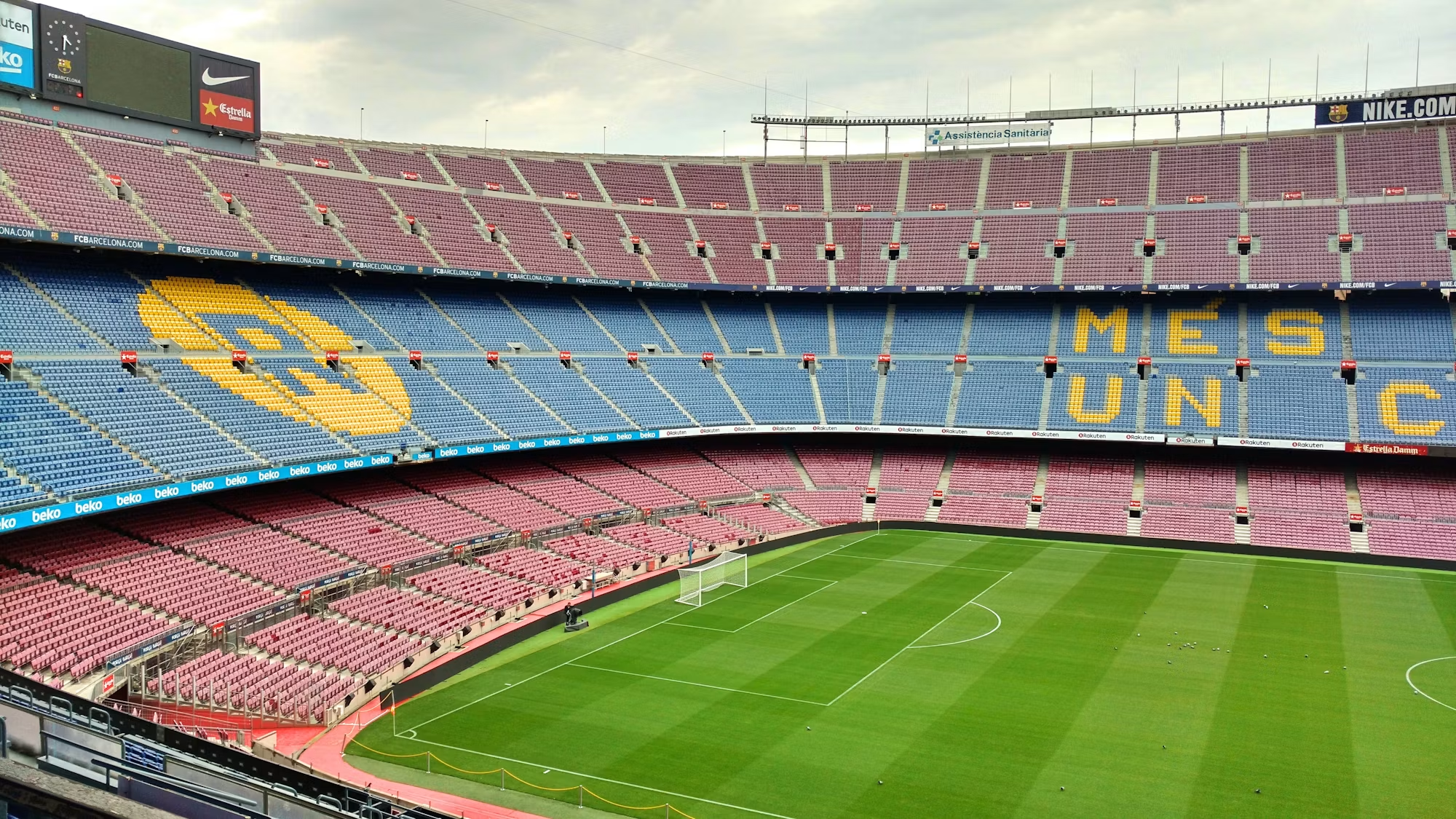
Sports stadiums are more than just venues for athletic events; they play a crucial role in the economic landscape of their surrounding communities. The presence of a stadium can significantly influence local economies through job creation, increased tourism, and urban development. This article explores the various ways in which sports stadiums contribute to economic growth and community engagement, highlighting both the benefits and challenges that come with such investments. One of the most immediate impacts of a new stadium is job creation. From construction jobs during the building phase to permanent positions in operations, maintenance, and event management, stadiums generate employment opportunities for local residents. According to various studies, thousands of jobs can be created through both direct and indirect employment linked to stadium operations. These jobs often range from low-wage positions to skilled labor roles, benefiting a wide spectrum of the community. Furthermore, the establishment of a stadium can lead to the growth of ancillary businesses. Restaurants, hotels, and retail shops often experience increased traffic on event days, resulting in higher sales and new job opportunities. For instance, a study conducted in the vicinity of the AT&T Center in San Antonio, Texas, showed a substantial increase in revenue for nearby businesses during events. This ripple effect illustrates how sports stadiums can stimulate local economies and foster a vibrant commercial environment. Tourism is another significant aspect of the economic impact of sports stadiums. Major sporting events, such as playoffs, championships, and concerts, attract visitors from outside the area, contributing to local hotel occupancy rates and dining revenues. Cities that host iconic teams or major events often see a surge in tourism, particularly during high-stakes games or tournaments. The economic benefit extends to attractions and activities beyond the stadium, as visitors may explore local sites and participate in community events. Additionally, the branding associated with hosting significant sporting events can enhance a city’s reputation, making it a more attractive destination for future visitors. While the economic benefits of sports stadiums are substantial, challenges do exist. The initial investment required for building a stadium can be significant, often leading to public funding debates. Communities must weigh the costs against potential economic gains, and not all stadium projects deliver the expected returns. Critics argue that public funds used for stadiums could be allocated to more pressing needs such as education, healthcare, or infrastructure improvements. As a result, transparent financial planning and community engagement are essential components of any stadium project. Moreover, the impact of a stadium on the local economy is not solely determined by its size or the number of events it hosts. Factors such as location, accessibility, and the existing economic environment play a crucial role in determining the overall economic effect. For example, a stadium built in a densely populated urban area with good public transport links is more likely to generate consistent revenue than one located in a remote area. Urban development surrounding stadiums is also a critical consideration. Many cities have recognized the potential for revitalization through stadium projects, often incorporating mixed-use developments that combine retail, residential, and entertainment options. The area around a stadium can become a hub of activity, drawing in residents and visitors alike. Successful examples include the development around the Barclays Center in Brooklyn, which has transformed the surrounding area into a bustling destination for entertainment and dining. Sustainable practices are increasingly becoming a focus in the construction and operation of sports stadiums. With growing awareness of environmental issues, many stadiums are incorporating green building techniques and energy-efficient technologies. Such practices not only help reduce operational costs but also attract eco-conscious fans and events. The use of renewable energy sources, waste management systems, and water conservation initiatives showcases a commitment to sustainability, which can enhance a stadium’s reputation and appeal. The role of community engagement cannot be overstated when discussing the economic impact of sports stadiums. Successful projects often involve active participation from local residents and stakeholders throughout the planning and development phases. Engaging the community helps ensure that the stadium meets the needs of its users and garners public support, which is essential for long-term success. Many stadiums implement outreach programs that foster connections with local schools, non-profits, and community organizations, creating positive relationships that extend beyond the events held within the venue. As we look to the future, the evolution of sports stadiums will continue to reflect changing economic dynamics and community priorities. The integration of technology, such as cashless payment systems and advanced fan engagement platforms, is set to enhance the stadium experience while driving economic growth. Moreover, as cities recover from recent global challenges, the role of sports stadiums in community revitalization and economic recovery will be more critical than ever. In conclusion, sports stadiums serve as vital economic engines for local communities. Through job creation, increased tourism, urban development, and community engagement, they contribute significantly to the economic landscape. While challenges exist, a well-planned and executed stadium project can foster long-lasting benefits for both the local economy and the community. As stadiums continue to adapt to modern demands and priorities, their impact on local economies will undoubtedly evolve, paving the way for innovative approaches to community engagement and economic development.
Related Posts

Mastering the Skills and Techniques of Football
A comprehensive guide to the essential skills and techniques needed to excel in football, exploring

The Heart of the Game: How Team Sports Foster Community and Growth
An in-depth look at the transformative power of team sports in building community, enhancing persona

The Evolution of Soccer: A Journey Through Time
An exploration of the rich history of soccer, tracing its origins, evolution, and rise to become the